What Actually Affects Appetite, Beyond Any Single Supplement
Appetite is influenced by sleep quality, protein intake, meal timing, stress and hydration — a wider picture than any liquid drop can address alone.
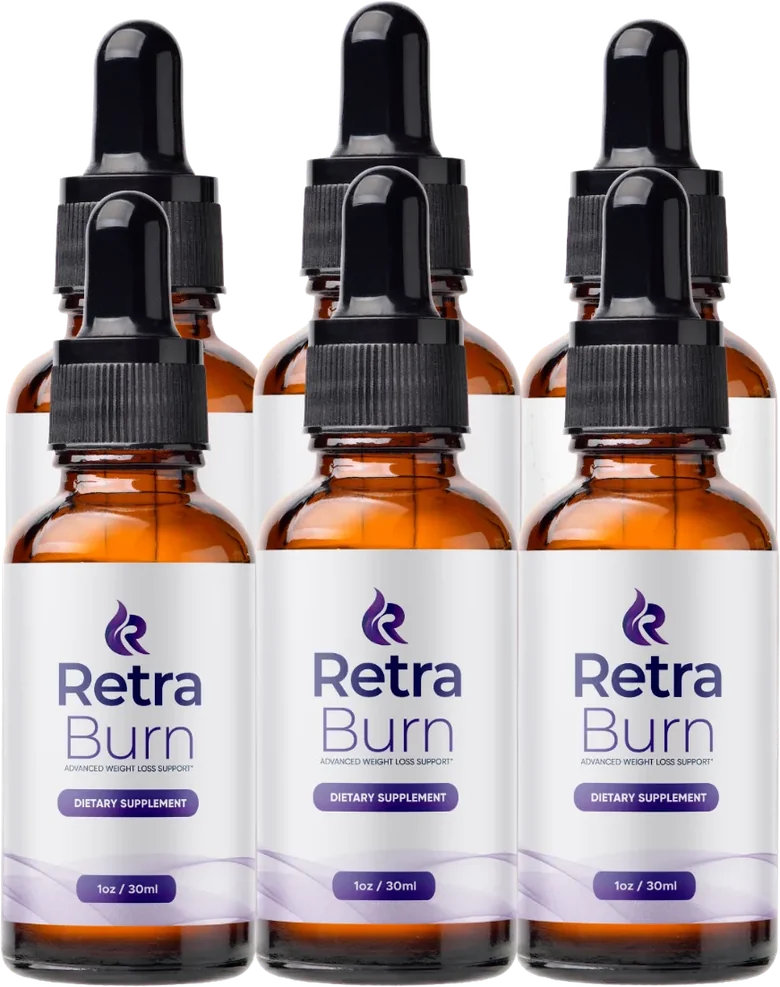
Understanding that fuller picture helps set realistic expectations for what RetraBurn's fiber-based support can and cannot do.
Sleep quality
Poor or insufficient sleep disrupts the hormones that regulate hunger and fullness — ghrelin (which stimulates appetite) and leptin (which signals fullness). This is one of the most well-documented, and most overlooked, levers affecting everyday appetite.
Protein intake
Protein is generally the most satiating macronutrient, meaning it produces a stronger, longer-lasting sense of fullness per calorie than fats or carbohydrates. Prioritising protein at each meal is a genuinely effective, free lever for appetite management.
Meal timing and structure
Irregular eating patterns, or long gaps between meals, can lead to more intense hunger and a greater likelihood of overeating at the next opportunity. Consistent meal timing helps stabilise appetite signals throughout the day.
Hydration
Thirst is sometimes misinterpreted as hunger, and adequate hydration supports normal appetite regulation. This is particularly relevant for a fiber-based formula like RetraBurn, since the fiber's mechanism itself depends on adequate water intake.
Chronic stress
Elevated cortisol from chronic stress can increase appetite and specifically increase cravings for high-calorie foods, working against appetite-management goals through a hormonal pathway entirely separate from fiber intake.
Where fiber-based support realistically fits
Applying this to RetraBurn
Formulas like RetraBurn are designed to supply fullness-supporting fiber and cellular-maintenance compounds, genuinely useful additions layered on top of the habits above, not a shortcut around them. See our piece on whether supplements can replace diet and exercise for the most important distinction to keep in mind.